Going on solo backpacking, right in the wilderness, where there are bears and bugs, is an adventurous experience. You get a sudden adrenaline rush and enjoy Mother Nature up close. Due to these reasons, solo backpacking is becoming increasingly popular in the UK, with the market expected to grow from USD 35.3 million in 2024 to USD 73.3 million by 2030[1].
If you’re planning your first trip, careful preparation is key—choose the right route, pack essential gear, plan meals, and prioritise safety. Bringing a power source like a camping power station can also keep your devices charged in remote areas, making your adventure more convenient and worry-free.
Next, we’ll cover everything you need to plan your first solo backpacking adventure.
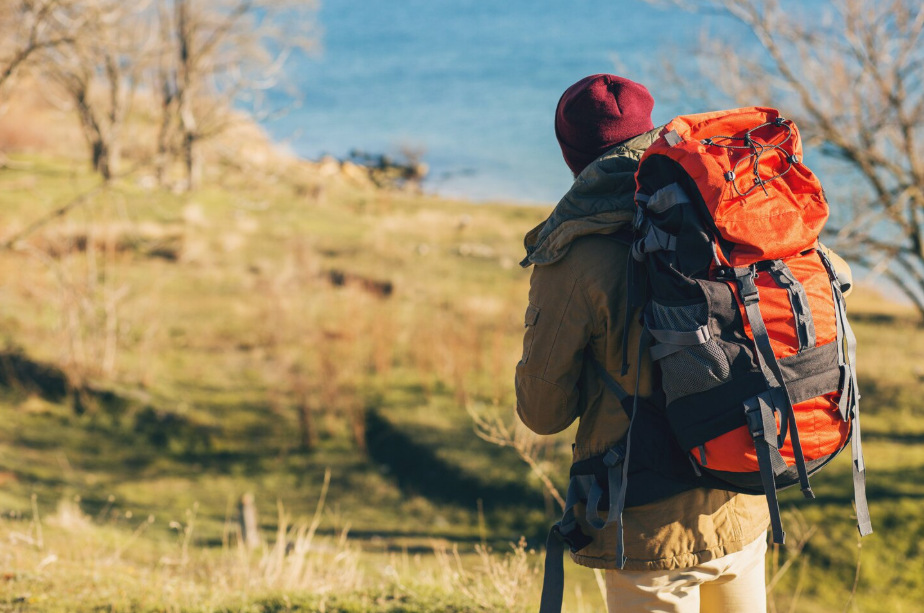
(Copyright photo from https://www.freepik.com/free-photo/view-from-back-hipster-man-traveling-with-backpack-wearing-warm-jacket-hat-active-tourist-using-mobile-phone-exploring-nature-cold-season_9654929.htm)
Choosing the Right Destination and Route
When choosing the right destination or route for your solo backpacking trip, you should consider safety, connectivity, and difficulty level. Here’s a detailed explanation:
- Safety: Some solo backpacking locations in the UK are quite dangerous. You may end up getting lost, dehydrated, or encountering wildlife. So, when picking your destination, be very mindful of safety. Go on well-maintained and populated trails in areas you are familiar with. Inform your trusted family and friends of your itinerary, along with local emergency numbers. Ensure you have a first-aid kit with essentials like band-aids, pain relievers, and antiseptic wipes.
- Difficulty Level: Assess the difficulty level of the solo backpacking destination. Is it a short and easy hike? Or are you going on a long route with multiple elevation gains? You should also look at the condition of the route, whether it’s a rocky, uneven, or muddy trail. Knowing all these things beforehand enables you to pick a destination that fits your fitness level.
- Connectivity: The destination you are eyeing should also have incredible connections to water sources, campsites, and emergency exits. You then stay properly hydrated, which reduces fatigue and allows you to easily escape a location in case of a wildlife attack or injury. Availability of campsites ensures that you can stay in your dream place for days without compromising on your comfort.
Popular UK Solo Backpacker Routes
If you need suggestions on the best solo backpacking routes in the UK, here are some suggestions:
Cotswold Way
The Cotswold Way is a 100-mile-long trail in Southwest England that’ll definitely take your breath away at first glimpse. From rolling hills to woodlands and even charming villages, you’ll find everything that can mesmerise your vision.
When we look at its history, the region got its name because the sheepfolds were called “cots,” and “wolds” means “rolling hills” in Old English. You can pack your essentials and go on a solo backpacking experience there without worrying about safety. There are signposts with trademarks that prevent you from getting lost.
However, if you want some food suggestions, you can visit the award-winning Lygon Arms, serving classic beef dishes. To grab a drink after a tiring hike, you can also go to the Wild Rabbit pub and get a much-needed beer.
Ridgeway Trail
If you have a knack for history and nature, the Ridgeway Trail is the right place for you. It’s present in a remote area of southern central England and travels in a northwestern direction for 87 miles. It starts in the World Heritage Site of Avebury, and you can learn about the history of different roads while solo backpacking.
The trail offers several scenic resting points, such as Barbury Castle, where you can take a break and enjoy the views (bring your own snacks). Along the way, nearby villages have pubs and restaurants where you can stop for a meal or drink.
South Downs Way with Wild Camping
Well, being in the UK, you must have heard about the popular South Downs National Park. If yes, don’t hesitate and take the much-awaited solo backpacking and wild camping trip to this majestic location. It’s a 100-mile National Trail in Southern England that runs from Winchester in Hampshire to Eastbourne in East Sussex.
The area is covered with greenery for as long as your vision goes, and a sloppy trail that winds through woodland and farmland. You’ll also get to look at many ancient historical sites, such as the Bronze Age barrows and a well-preserved Roman Villa that’s not far away from the trail.
If you want to stay in this spot for wild camping, multiple campsites are pretty affordable. Some common options include Housedean Campsite and Saddlescombe Farm Campsite. Just seek permission before setting up your camp and take all the litter with you to preserve the land’s beauty.
Essential Gear and Packing Tips
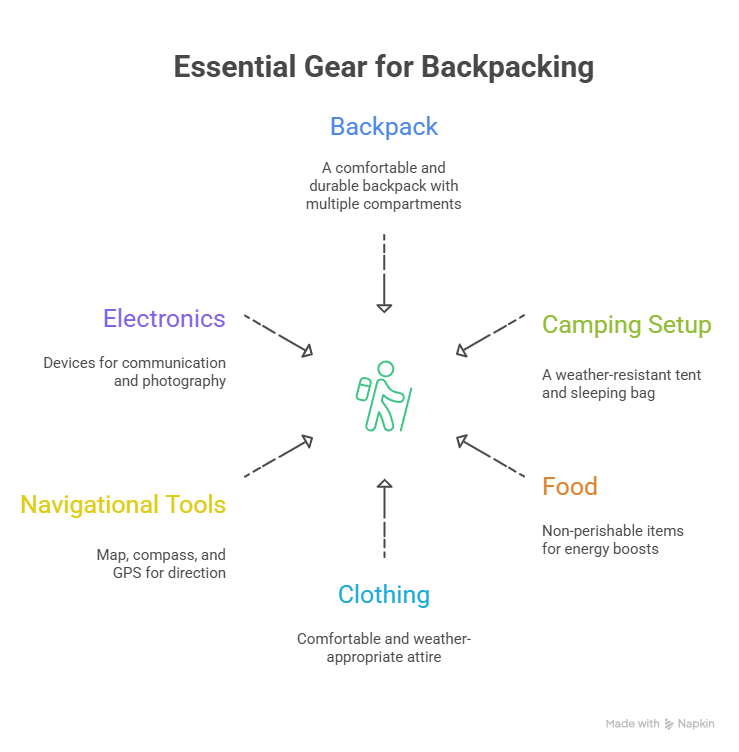
You should get yourself some essentials for a backpacking trip, including a good backpack and sleeping setup. Make sure the equipment and gadgets are lightweight and multifunctional to avoid getting drained quickly. Here’s a backpacking packing list you must have:
- Backpack: You should get a comfortable and appropriately sized backpack, typically 30 to 70 litres, depending on your needs. It should be durable and have multiple compartments and smooth zippers to store your trip essentials without any clutter.
- Camping Setup: Invest in a camping setup, including a tent and sleeping bag. It should he easy to set up, saving you time. In addition, the tent should be weather-resistant so you don’t get disturbed during rain or snow.
- Food: Although the solo backpacking locations in England have good restaurants around, it’s still suggested to carry some food items. For instance, you should pack non-perishable items like chocolate, energy bars, and dried fruits. You can munch on them when you get exhausted to get an instant energy boost and continue your hiking journey.
- Clothing: If you plan to stay multiple days in the backpacking destination, you cannot wear the same outfit all the time. Especially if the spot is subject to weather fluctuations, so carry comfortable and strong hiking shoes and moisture-wicking fabric. T-shirts and turtle necks are good for layering, while hats and gloves can protect you from the sun during sunny days.
- Navigational Tools: Getting lost in a new destination isn’t something unusual. However, to avoid this, you should carry navigational tools like a map, compass, GPS device, and flashlight. These ensure that you can find your way back to your campsite and don’t get stuck in an unfortunate situation.
- Basic Electronics: Don’t forget to pack your electronics, such as mobile phones, laptops, tablets, and cameras. You need them to stay connected to the outer world and make stunning pictures of the surrounding scenery.
Planning Your Food and Water Supply
Food and water shortages aren’t unlikely on the UK backpacking trails. We suggest you have a strategy for food selection and water purification so your stay is comfortable.
Food Selection Tips
When selecting food for your solo backpacking trips, you need to follow these tips:
- Take at least 2,500 to 4,500 calories per person per day.
- Make a plan and account for days when you don’t want to cook and have some non-perishable food items.
- Don’t change your taste buds; pack some comfort food from back home to look forward to your meal after a tiring hike.
- Pack a variety of foods, including sour, sweet, spicy, and salty options. Consider food choices like baguette, nuts and seeds, and hard cheeses that not only taste yum but also keep you fueled. Instant rice, pasta, and noodles should also be in your backpack.
- Take a hot or cold-flavoured drink as well as water to stay hydrated. Some good options include chocolate milk, tea, apple cider, and chicken broth.
Water Sourcing and Purification in the UK
If you don’t want to carry a lot of water in your backpack, you should consider water sourcing and purification techniques to utilise during your trip. The following are some things you can consider:
- Get direct water from a running stream or river, but be careful not to overlook livestock contamination or sewage outfalls.
- Collect rainwater in clean bowls and store it for purification.
- Use a pump or gravity filters to remove microbes such as bacteria and protozoa.
- Bring water to a rolling boil for at least 1 minute to kill all pathogens.
Power and Connectivity: Staying Charged and Safe
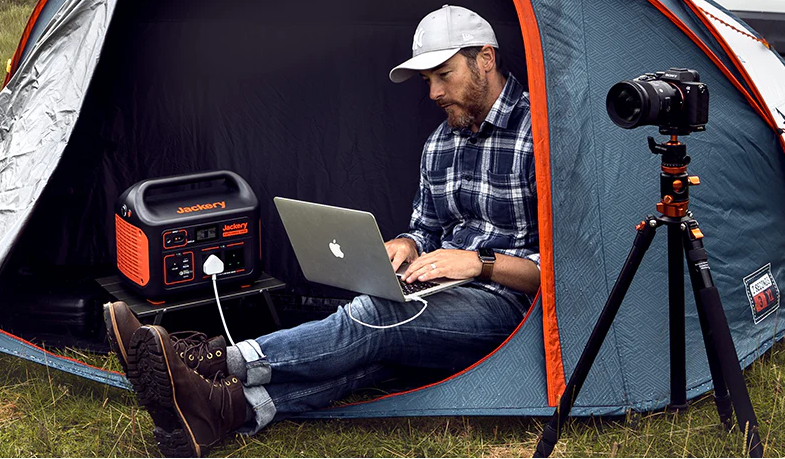
Taking critical equipment like safety and navigation tools isn’t enough; you need stable power to run them smoothly. That’s where a solar camping battery station comes in!
Jackery offers multiple power solutions that you can explore, including solar generators and portable power stations that are high-power and durable. Want suggestions? Here are the best picks for your backpacking experience:
Jackery Explorer 240 v2 Portable Power Station
When you’re out on a solo backpacking adventure, staying connected and powered can be a challenge. The Jackery Explorer 240 v2 Portable Power Station solves this by giving you reliable electricity wherever you go. Its 256Wh capacity fits easily in your backpack yet can charge your phone, camera, and even laptops—perfect for documenting your journey or keeping navigation devices alive.
Weighing only 7.94 lbs with a foldable design, it’s lightweight enough for long hikes without slowing you down. You can recharge it in three convenient ways—wall, solar, or car charging—so you never have to worry about running out of power in remote locations.
The LFP battery is built to last up to 3,000 cycles or 10 years, making it a durable companion for many adventures. With ChargeShield 2.0 technology and a quiet 42dB operation, your electronics stay safe and your camping experience remains peaceful. And if you ever find yourself in urgent need, the emergency charging feature powers it from 0% to 100% in just an hour.
Jackery Explorer 500 Portable Power Station
When your solo adventure involves multiple high-power devices or longer stays off-grid, the Explorer 500 steps in. With 518Wh capacity, it can run a mini fridge, CPAP machine, or charge multiple devices simultaneously—ideal for extended camping trips or tech-heavy excursions.
Although more powerful, it’s still surprisingly portable at 13.32 lbs (basketball-sized). Its variety of ports, including AC, DC, car, and USB-A, lets you power multiple devices without juggling adapters. The pure sine wave inverter and ChargeShield 2.0 protect sensitive gear, while solar or wall charging ensures you never run out of energy in remote locations.
Safety Precautions and Emergency Preparedness
Enjoying your solo backpacking adventure is essential, but safety should never be overlooked. Being prepared helps you focus on the experience while minimising risks.
- Foot and ankle injuries are common on uneven trails. Wear well-fitting hiking boots and moisture-wicking socks, and carry a small first-aid kit with painkillers, antiseptic wipes, and blister pads. Stretch and take breaks to avoid strain.
- Sudden weather changes can disrupt your hike. Check forecasts before leaving and pack lightweight rain gear, weather-appropriate layers, and a small emergency blanket.
- Getting lost is another challenge. Bring maps, a compass, or a GPS device, and share your route and check-in times with friends or family. A portable power station, like the Jackery Explorer, can keep your devices charged for navigation and emergencies.
- Wildlife encounters can be risky. Store food securely, avoid feeding animals, and maintain a respectful distance. Stay quiet on trails, but make noise when needed to alert animals to your presence.
- Finally, be prepared for emergencies. Know nearby services, bring a whistle or signalling device, and familiarise yourself with basic survival skills like building a temporary shelter.
By planning ahead and following these precautions, you can enjoy your solo backpacking trip safely, confidently, and fully immersed in nature.
Conclusion
Solo backpacking is a once-in-a-lifetime experience, especially if you are tired of the hustle and bustle of daily life and want some time alone. Before setting out, careful planning is key—consider your routes, gear, food, and safety measures to ensure a smooth and enjoyable journey. Need some reliable solar portable power station options for your trip?
Contact Jackery today! They offer a wide range of solar generators and portable power stations that meet your electricity needs without interruption. All of their products have extensive warranties, so you can be assured that your investment is protected.
References
- UK Solo Travel Market Size & Outlook, 2024-2030. Available at: https://www.grandviewresearch.com/horizon/outlook/solo-travel-market/uk. (Accessed on August 21, 2025)